Colonists Resented the Tea Act Because
By the middle of the 1700s in North America settlers were few while british were many. What did the colonist resent most about the Tea Act.

Pin On Revolutionary War Board
When Great Britain passed the Tea Act in 1773 it had a negative impact on tea importers in Britains North American colonies.
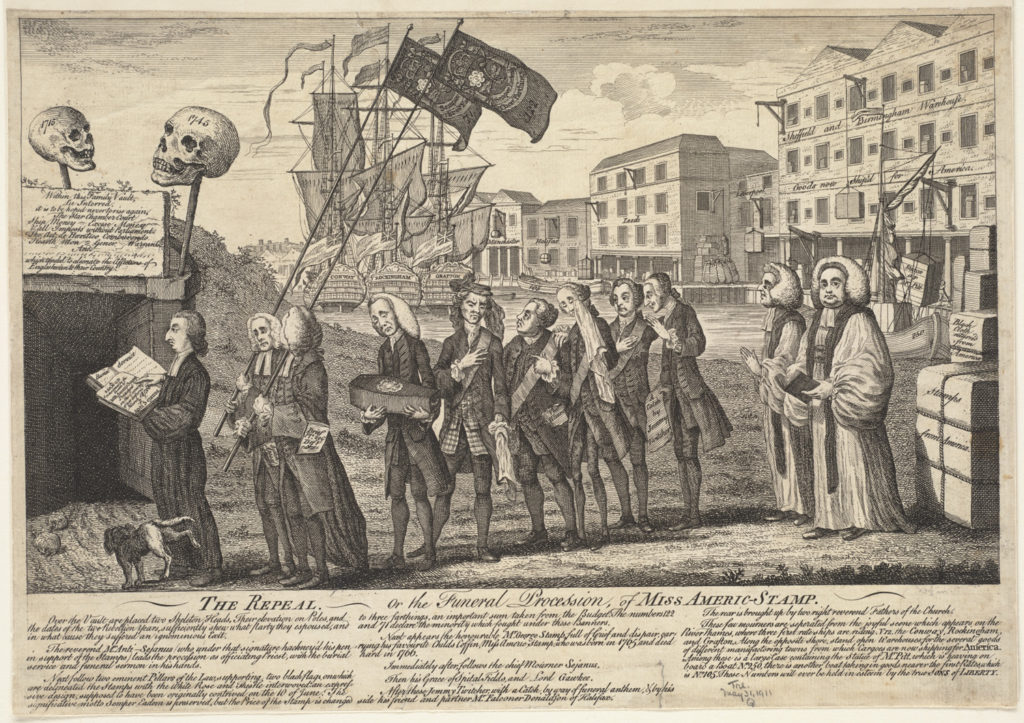
. The American colonists were against the Tea Act because it created a monopoly. First it is important to know that in the American colonies tea drinking was extremely popular. Tea was considered a necessity.
What year was the 13th amendment passed in the us. In 1765 Parliament passed the Stamp Act which. Colonists resented the tea act because.
A it established a British monopoly on tea b it lowered the price of tea c it increased the price of tea d it forced tea to be shipped from India to Britian. What was the cause and effect of the Tea Act. Answer 1 of 7.
During the Tea Act the colonists protested by the Boston Tea Party where 50 men dressed as Mohawk Indians threw all the tea into the sea. The colonists boycott against British goods had hurt their trade so the British repealed the Townshend Acts after the. They resented that the British East India Company now had a monopoly on trading tea in North America.
The Catalyst of the Boston Tea Party. As a result of the Tea Act of 1773 the colonists resented this as an indirect taxation on tea which meant that only tea from a British company could be sold in the colonies. 31 Related Question Answers Found When did the Tea Act start and end.
Colonists objected to the Tea Act because it raised the tea so much as to make tea prohibitively expensive. It was direct punishment to the city of Boston for the Boston Tea Party. 10 Things You May Not Know About the Boston Tea Party.
Colonists resented the Tea Act because It established a British monopoly on tea the British East India Companys monopoly on tea especially Harmed colonial ______. The tea act in particular was seen as insidious. American colonists resented and opposed the Quartering Act of 1765 not because it meant they had to house British soldiers in their homes but because they were being taxed to pay for provisions and barracks for the army a standing army that they thought was unnecessary during peacetime and an army that they feared.
The tax on tea had existed since the passing of the 1767 Townshend Revenue Act. The tea actact that made tea have taxes caused the Boston Tea Partyhundreds of colonists throw British tea into the ocean Colonists resented the Tea Act because. It was how the colonists got their caffine fix.
Britain also needed money to pay for its war debts. The Tea Act was a tax on all imported tea from Britain. They were upset because now the British East India Company had possession or Control on tea sales in the colonies and they still had to pay taxes on the tea.
When the Parliament heard about the Boston Tea Party they passed many laws to forced the colonist to pay for the tea. Which side fired the first shot of the American Revolution. Required colonists to buy stamps to put on legal documents.
How did Great Britain react to the Boston Tea Party. 2 Get Other questions on the subject. American colonists were outraged over the tea tax which had existed since the 1767 Townshend Revenue Act and did not get repealed like the other taxes in 1770 and believed the Tea Act was a tactic to gain colonial support for the tax already enforced.
The passing of the Tea Act imposed no new taxes on the American colonies. They dumped loads of tea overboard on ships nad they loaded it on ships. A merican colonists were outraged over the tea tax which had existed since the 1767 Townshend Revenue Act and did not get repealed like the other taxes in 1770 and believed the Tea Act was a tactic to gain colonial support for the tax already enforced.
History 21062019 1500 sanjanadevaraj26. The Tea Act passed by Parliament on May 10 1773 granted the British East India. Why were colonists angry about taxes.
Parliament passes the tea act. Colonists resented the Tea Act because. Ineed the answer.
American colonists resented and opposed the Quartering Act of 1765 not because it meant they had to house British soldiers in their homes but because they were being taxed to pay for provisions and barracks for the army a standing army that they thought was unnecessary during peacetime and an army that they feared. Why did the colonists resent the Tea Act. The act was intended to help the british east india company.
The Stamp Act however was a direct tax on the colonists and led to an uproar in America over an issue that was to be a major cause of the Revolution. With the French and Indian War over many colonists saw no need for soldiers to be stationed in the colonies. The colonist resented the Tea Act because if the Parliament could monopoly the East India Company then they could do it to other companies.
The act closed the port of Boston to all ships until the colonists paid for the tea they dumped into the harbor. The british east india companys monopoly on tea especially harmed colonial. Although resented the Sugar Act tax was hidden in the cost of import duties and most colonists accepted it.
It established a British monopoly on tea. Colonist resented the tea act because. Why were colonists angry after the Tea Act.
What was the worst intolerable act. What are 10 facts about the Boston Tea Party. Why did Colonist protest British taxes.
The colonists opposed the Tea Act because they believed that Parliament did not have the right to tax the tea and they did not want to be forced to buy it from only one company. Why were the colonists upset about the Tea Act. On December 16 1773 a group of Patriot colonists associated with the Sons of Liberty destroyed 342 chests of tea in Boston Massachusetts an.
The colonist resented the Tea Act because if the Parliament could monopoly the East India Company then they could do it to other companies.
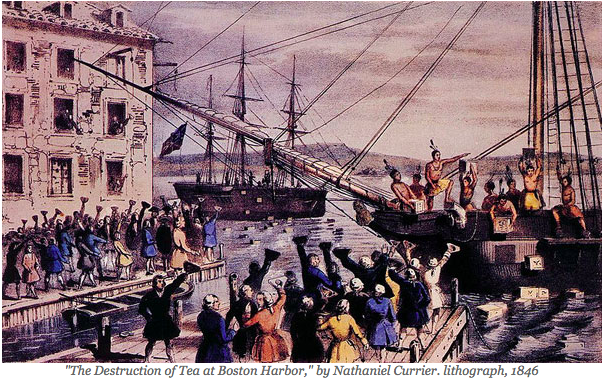
Tea Act Of 1773 Statutes And Stories
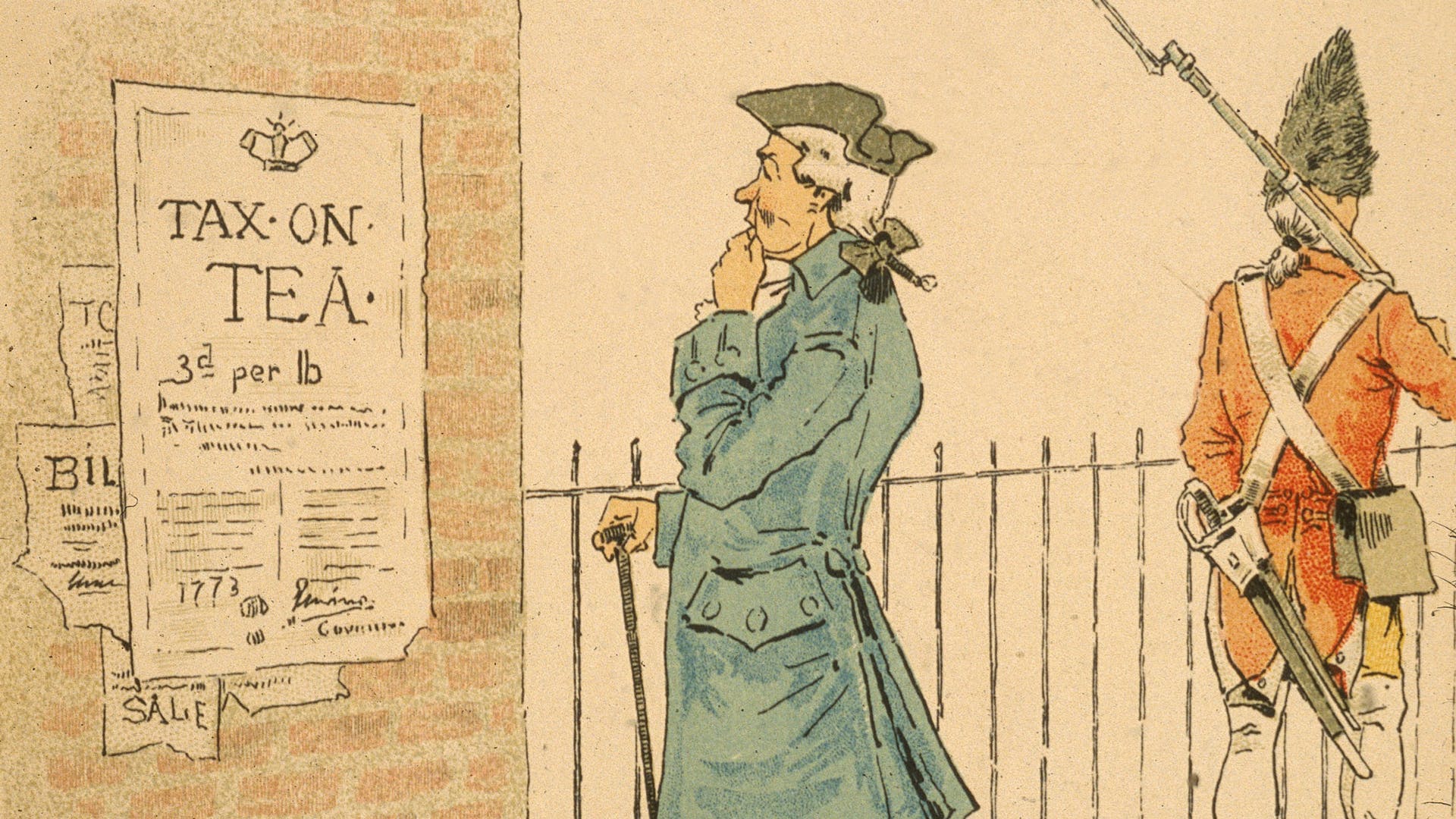
Tea Act 1773 Facts For Kids Background Causes Aftermath History

Pin On Revolutionary War
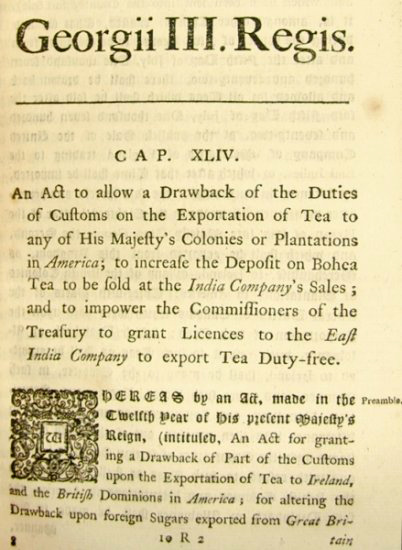
The Tea Act Boston Tea Party Facts 1773

Tea Act 1773 Summary Significance Impact

The Shoemaker And The Tea Party Memory And The American Revolution 1999 Youtube
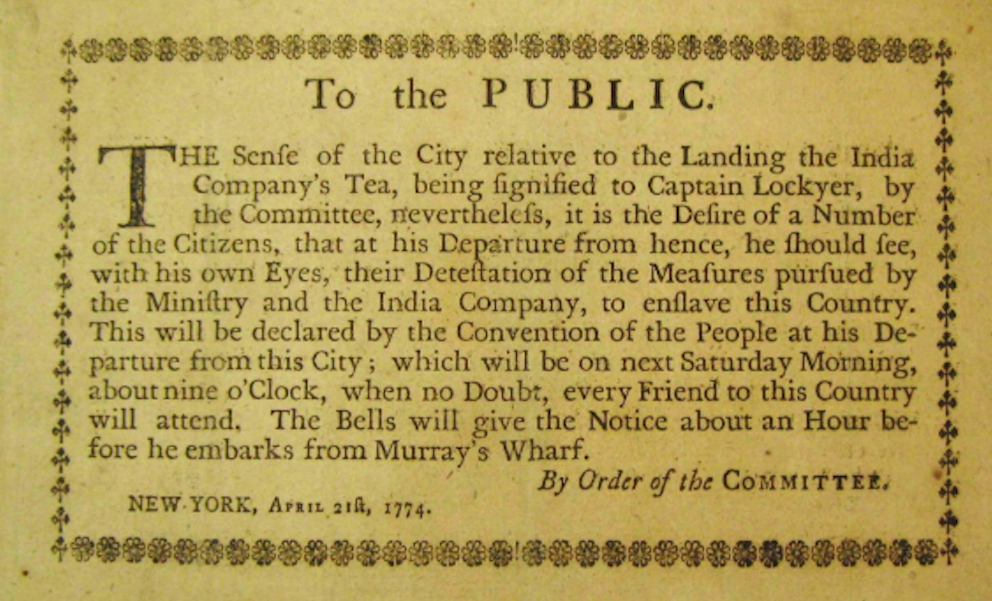
Tea Act Of 1773 Statutes And Stories

Tea Act Of 1773 Statutes And Stories
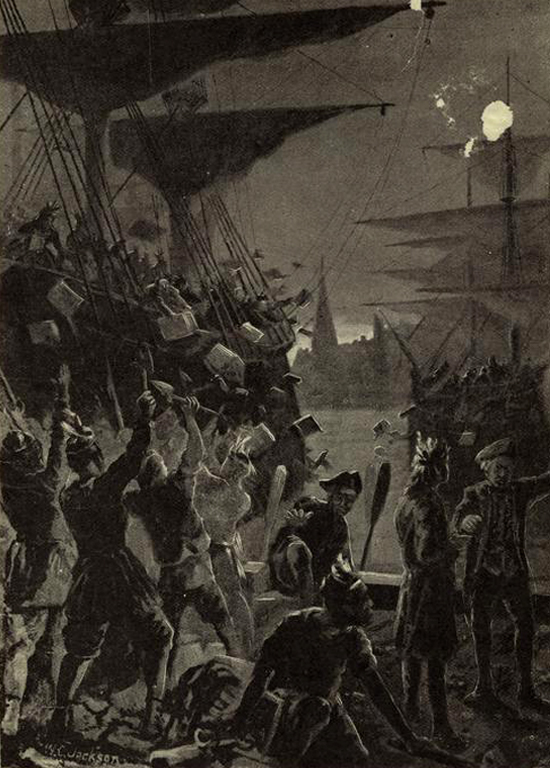
The Tea Act Boston Tea Party Facts 1773

Boston Tea Party Boston Tea American War Of Independence Colonial America

Tea Act Definition Timeline Facts History
Tea Act 1773 Facts For Kids Background Causes Aftermath History

Tar And Feathers

Pin On Future Classroom D

The Boston Tea Party December 16 1773 In 2021 Native American History American History Contemporary History
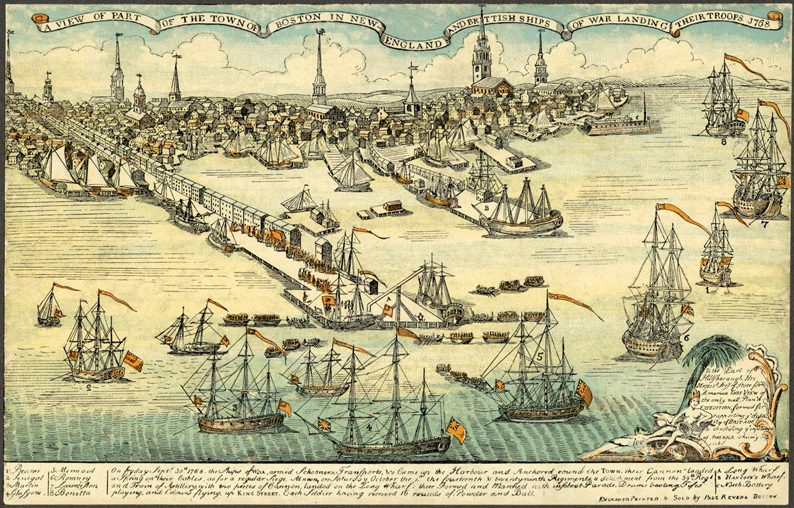
The Tea Act Boston Tea Party Facts 1773
How Did The Colonists Protest The Tea Act Quora
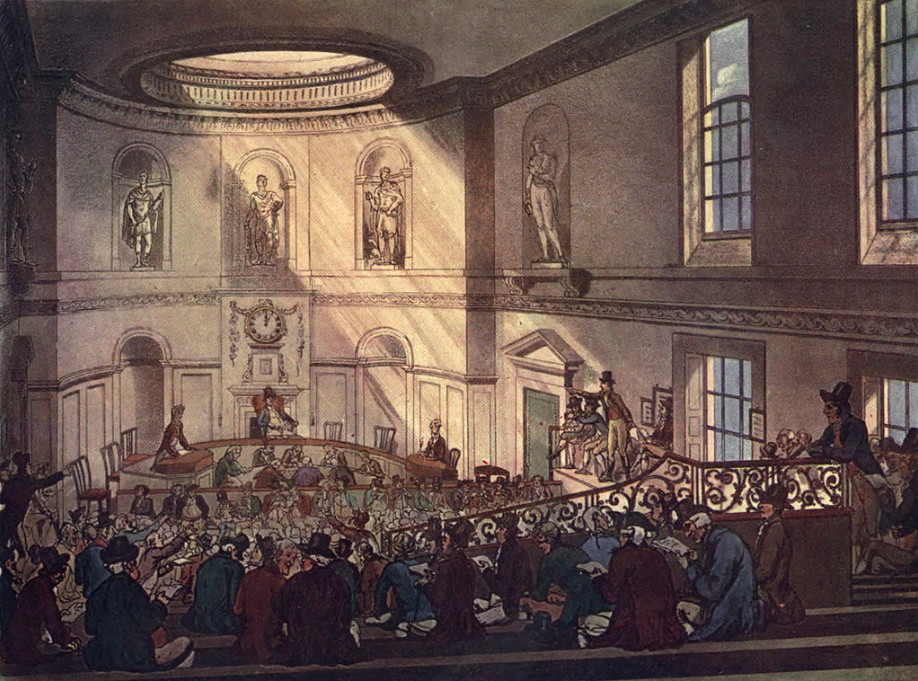
Tea Act Of 1773 Statutes And Stories
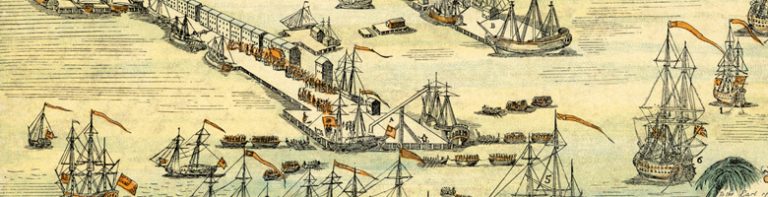
The Tea Act Boston Tea Party Facts 1773


Comments
Post a Comment